
 By
By The post Thailand Takes Major Step Toward Crypto ETFs and Futures Trading appeared first on Coinpedia Fintech News
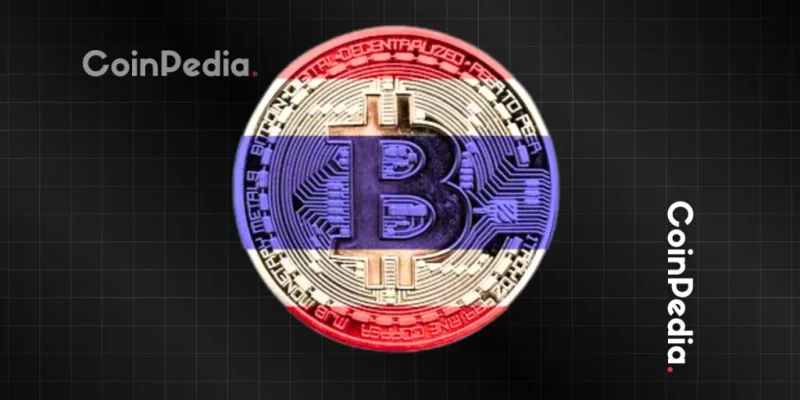
Thailand is preparing to take a big step forward in digital asset regulation as the country’s financial watchdog works on new rules to support crypto exchange-traded funds (ETFs), futures trading, and tokenized financial products.
According to Thailand’s Securities and Exchange Commission, new guidelines are expected to be rolled out early this year.
Thailand Plans Major Expansion of Digital Asset Rules
Speaking on the plan, Deputy Secretary-General Jomkwan Kongsakul said the SEC wants to make crypto investing safer and more familiar for many investors, especially institutions that prefer regulated products.
Under the planned framework, crypto ETFs could be listed on the Stock Exchange of Thailand. These products would allow investors to gain exposure to cryptocurrencies without directly holding or managing digital wallets.
Kongsakul said ETFs help reduce security concerns since custody and asset management are handled by professional entities.
Market makers are also expected to support these ETFs, improving liquidity and making trading smoother for investors, especially institutions.
Crypto Futures and Tokenized Products
In addition to ETFs, the regulator is also preparing rules for crypto futures trading on the Thailand Futures Exchange. This would give traders more tools to manage risk and hedge positions, while keeping all activity within a regulated environment.
Alongside this, Thailand is exploring tokenized products, including bond tokens, which could modernize how traditional assets are issued and traded.
To encourage innovation, issuers of bond tokens will be allowed to test products in a regulatory sandbox, while the SEC is working with the Stock Exchange of Thailand to allow spot trading of carbon credits.
Thailand’s Regulated Crypto Evolution
Thailand has taken a careful approach to digital assets by focusing on regulation instead of bans. In 2024, it approved a spot Bitcoin ETF, though access was limited to professional and institutional investors.
While pushing innovation, the SEC is tightening supervision. In 2025 alone, authorities suspended more than 47,000 mule accounts, showing stricter enforcement.
Overall, Thailand’s message is clear that digital assets are becoming a recognised asset class, but growth must come with strong rules and responsibility.