
 By
By The post Attorneys Clash Over Whether Ripple’s Actions Truly Affect XRP Price Movements appeared first on Coinpedia Fintech News
An exchange on social media between attorney and XRP supporter Bill Morgan and former SEC attorney Marc Fagel has once again brought the spotlight back to a long-running question in the crypto industry: Did regulators unintentionally shape the winners and losers of the crypto market?
The debate began when Fagel criticized crypto industry narratives, prompting Morgan to respond with a strong argument that regulatory decisions, especially who regulators chose to investigate and who they did not, may have helped create a market where a small number of cryptocurrencies dominate most of the total market value.
The Argument Over Selective Enforcement
Morgan argued that some early crypto projects were never targeted by regulators even though they had token launches or strong market promotion. According to him, this uneven enforcement allowed certain cryptocurrencies to grow without major legal pressure, giving them a long-term advantage in adoption and market share.
Fagel pushed back, explaining that regulators cannot bring securities cases without identifying a clear issuer responsible for the asset. In the case of Bitcoin, he said, there was no central issuer to pursue, which made enforcement difficult. Even if enforcement actions could have been taken in some cases, he argued, that would not change whether other companies broke securities laws.
XRP’s Legal Battle Back in Focus
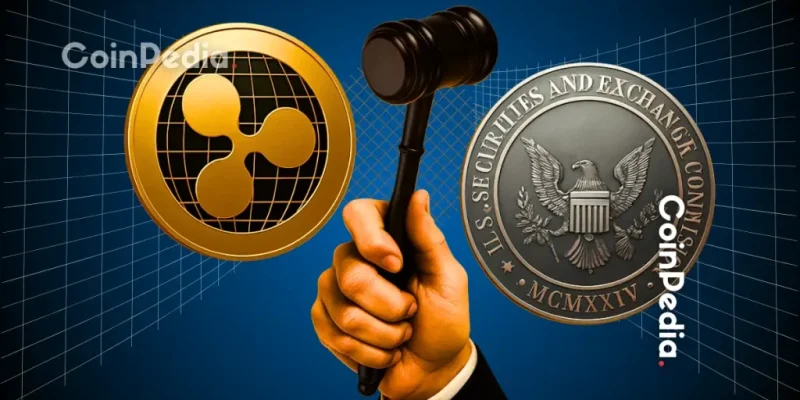
The discussion quickly shifted toward the long-running legal fight involving Ripple and XRP. Morgan emphasized that even though the XRP Ledger operates as a decentralized network, a lawsuit against Ripple inevitably affected XRP’s market position because Ripple was building many of the early real-world use cases connected to the asset.
Fagel responded that Ripple itself had successfully argued in court that many XRP buyers were not relying on the company’s actions when purchasing the token. If investors were not depending on Ripple, he suggested, then the regulatory case should not be blamed for XRP’s market performance.
Morgan disagreed, saying that XRP often moves with the broader crypto market, especially Bitcoin’s price action, but that the legal case still influenced investor perception and market share when compared with competing cryptocurrencies that did not face similar regulatory challenges.
A Debate That Still Shapes the Crypto Industry
The Morgan and Fagel exchange shows a bigger issue that continues to divide the crypto world: whether the timing and focus of regulatory enforcement played a role in determining which cryptocurrencies gained dominance.
As new crypto regulations take shape globally, discussions like this show that the industry is still wrestling with an important question, not just how digital assets should be regulated, but whether earlier regulatory decisions already changed the competitive landscape of the market.