
 By
By The post Ethereum Blockspace Gets a New Model as ETHGas Introduces GWEI Token appeared first on Coinpedia Fintech News
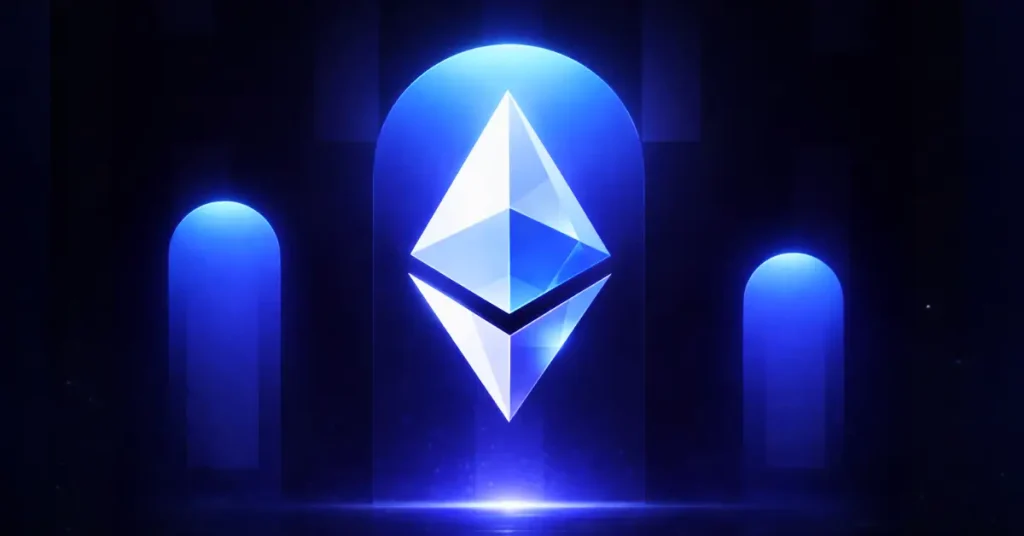
Ethereum’s blockspace is getting a fresh approach. ETHGas has announced the launch of $GWEI, a new governance token designed to support what it calls “Realtime Ethereum.”
The goal is simple. Make Ethereum transactions faster, more predictable, and less frustrating for users and apps.
What ETHGas Is Trying to Fix
Ethereum is widely seen as the most secure and decentralized settlement network. However, sending transactions still involves delays, unpredictable fees, and competition in the mempool. This often leads to high gas costs and slow execution during busy periods.
ETHGas wants to change how Ethereum blockspace is used. Instead of apps competing blindly for blockspace, the protocol allows them to secure execution in advance. This could reduce delays and smooth out gas fee spikes.
What Is GWEI and Why It Matters
$GWEI is the governance token of the ETHGas protocol. It gives holders the right to vote on how the system evolves. Token holders can help decide upgrades, parameter changes, treasury spending, and emergency actions.
Users who stake GWEI receive voting power. Longer staking periods give more influence, encouraging long term participation rather than short term speculation.
Toward a More Predictable Ethereum
ETHGas describes this shift as turning blockspace into a structured and tradable resource. The idea is to make transaction costs easier to plan and enable gasless user experiences at scale.
If successful, this model could help Ethereum apps offer faster confirmations and smoother experiences without constantly worrying about fee spikes.
Airdrop and What Comes Next
ETHGas plans to launch GWEI with a community airdrop called “The Genesis Harvest.” An eligibility snapshot is scheduled for January 19, 2026. The project says the airdrop will focus on real users, based on past gas usage and community participation.
With GWEI’s launch, ETHGas says Realtime Ethereum is moving from theory to reality. Whether this new blockspace model gains adoption will depend on how developers, users, and the wider Ethereum community respond in the coming months.